
A shared party model connects commercial context, workforce capability, recruiting, allocations, and project ownership.
Inside the module
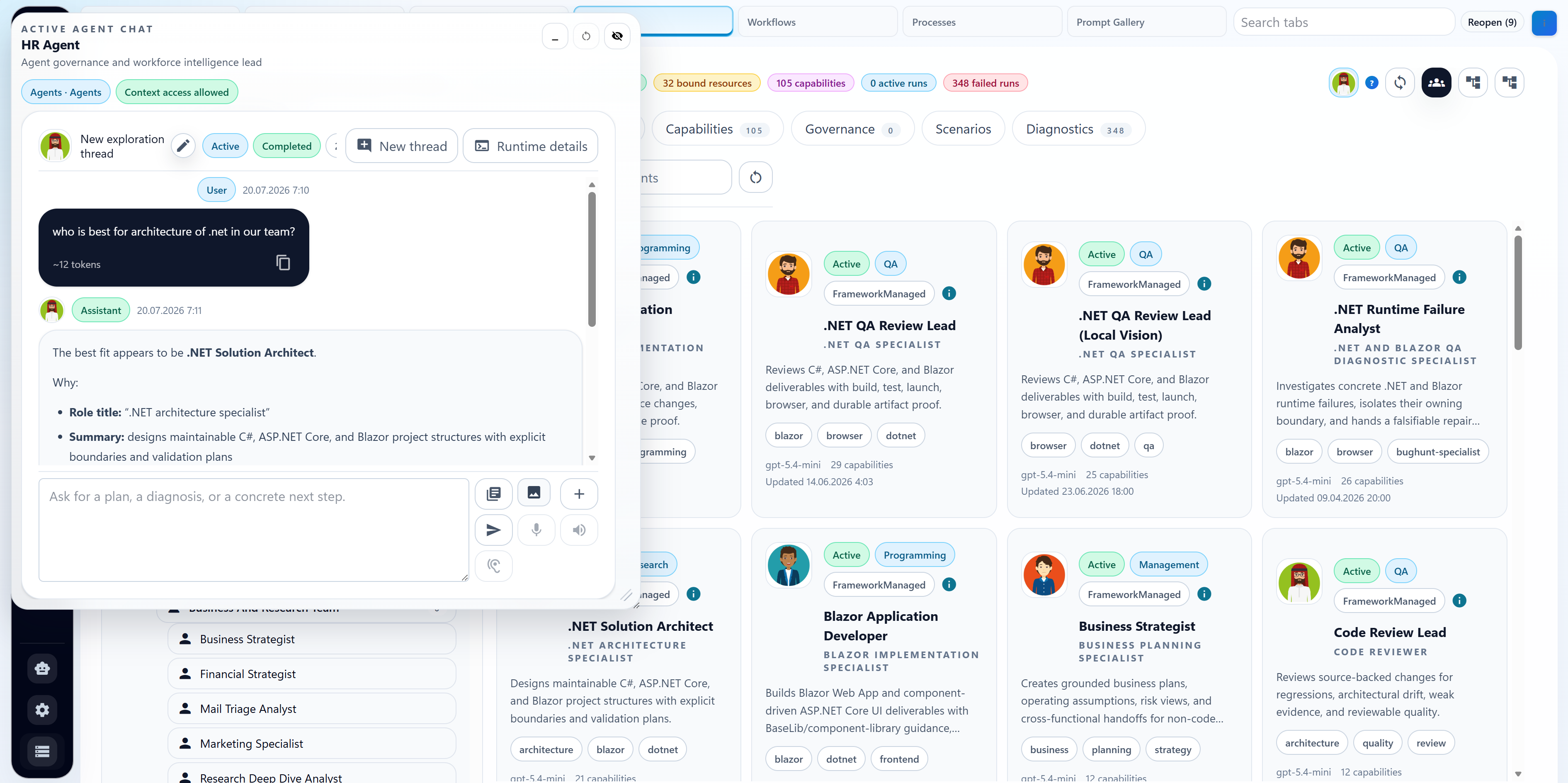
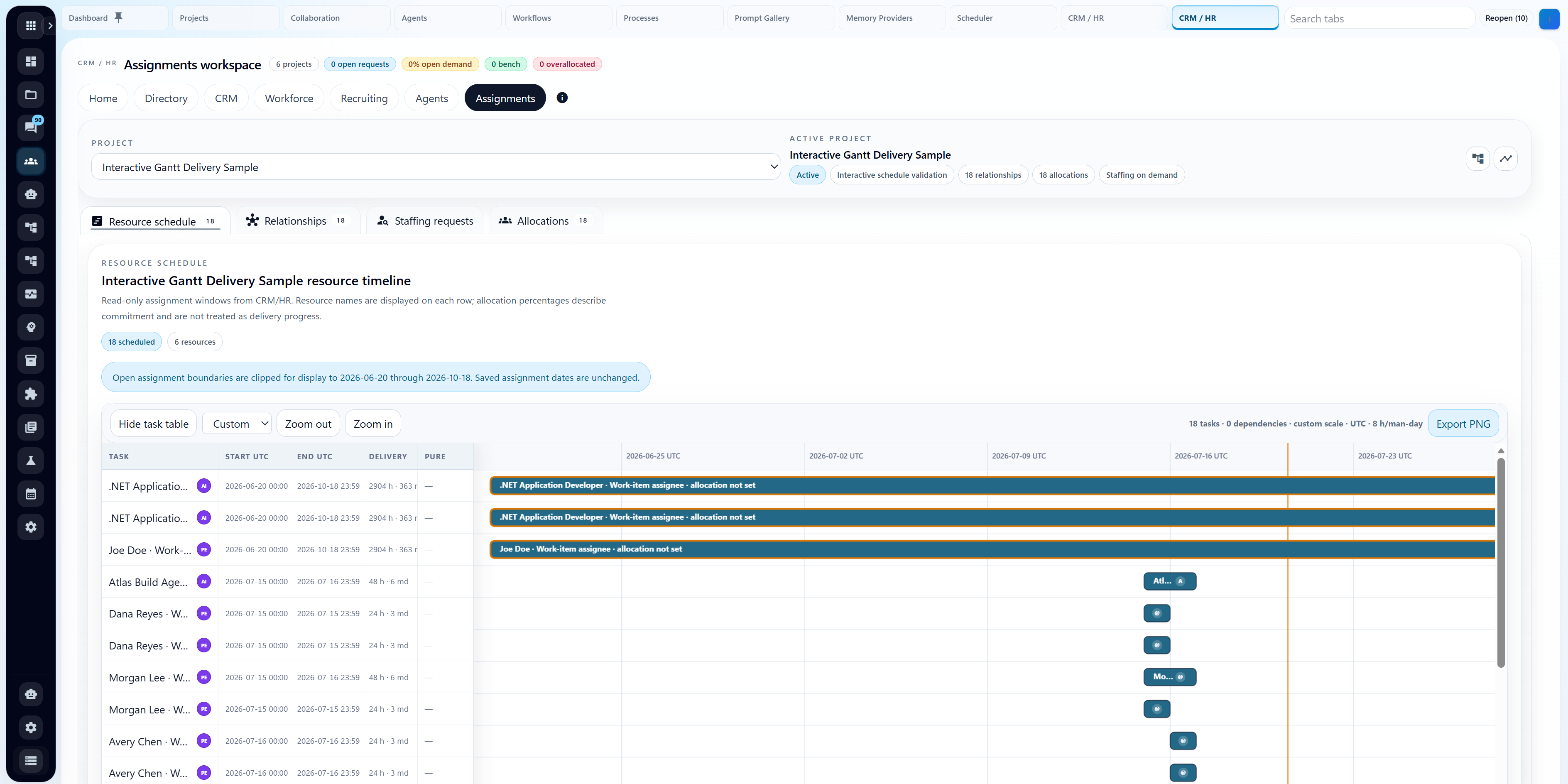
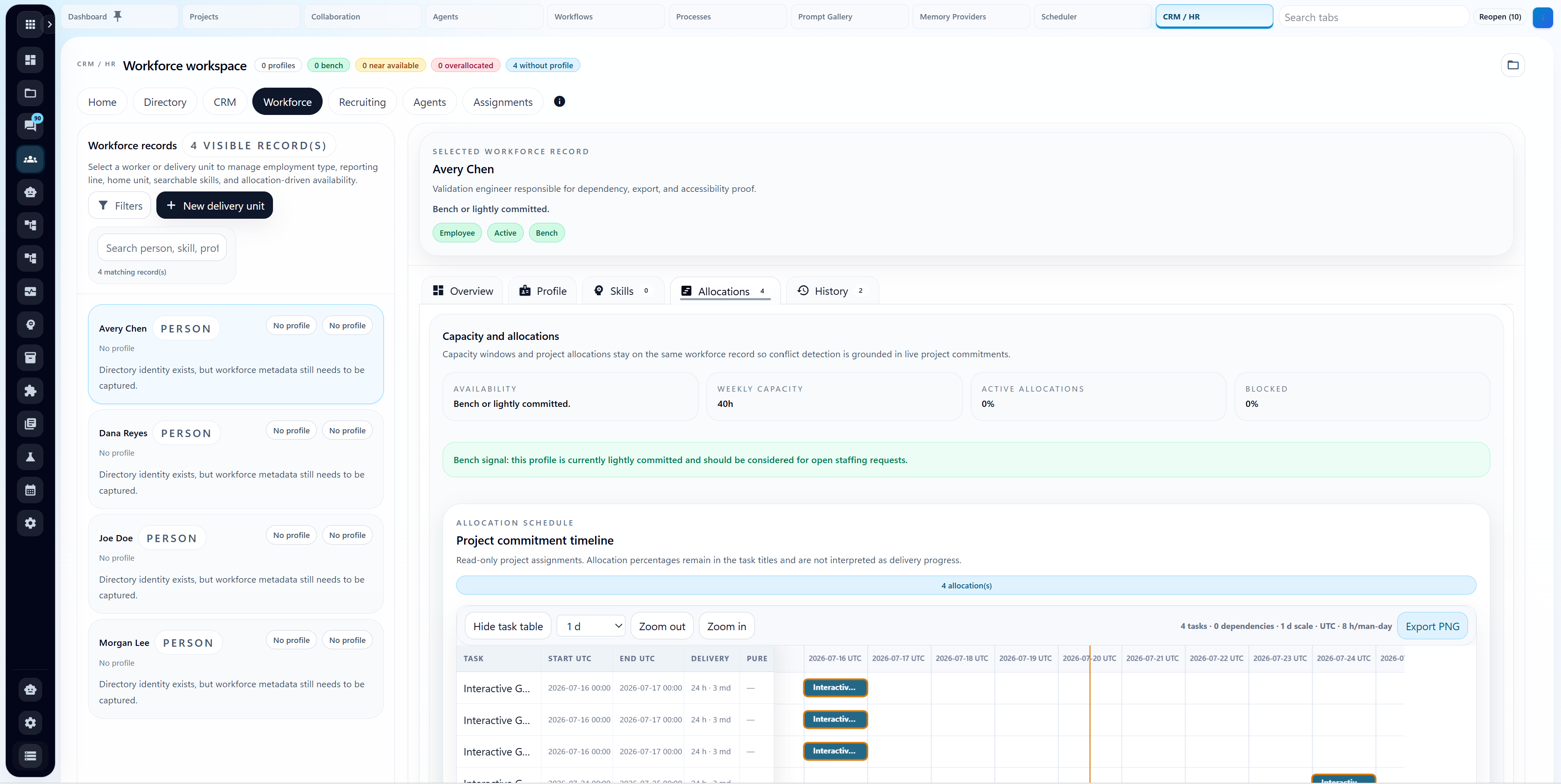
See the working surface, step by step
Use the controls to inspect the current application interface. Any arrow or step selection stops the automatic tour and leaves your chosen screenshot in place.
What it covers
Focused functions, shared project truth
The module has a clear operating boundary while remaining connected to the people, agents, automation, and evidence around it.
-
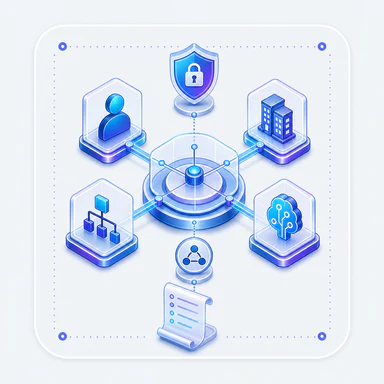
Shared party directory
Maintain people, organizations, units, and AI parties with contact, classification, privacy, stewardship, and audit data.
-

Customer operations
Track accounts, stakeholders, interactions, next actions, and opportunities; convert won work into a new or linked project.
-

Recruiting pipeline
Manage applications, stages, interviews, feedback, lifecycle tasks, and hiring conversion.
-
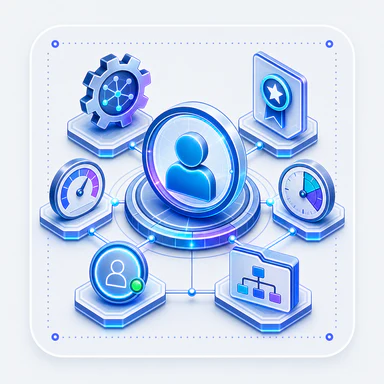
Workforce profiles
Record worker type, job title, skills, certifications, rates, weekly capacity, availability, and project allocations.
-
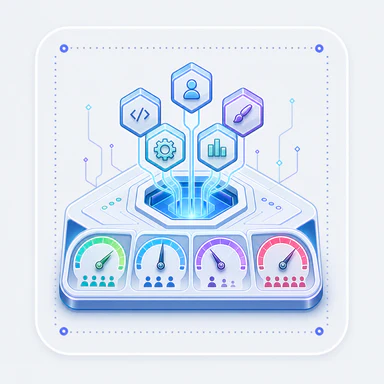
Staffing and capacity
Open staffing requests, compare candidates to demand, and detect bench, available, allocated, or overallocated capacity.
-
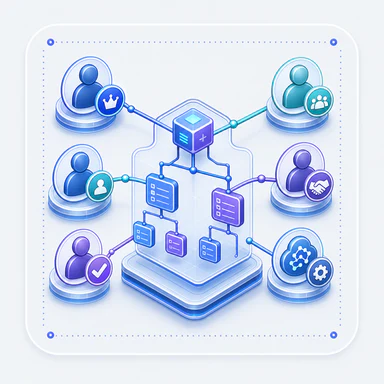
Project and work-item roles
Assign people, organizations, and AI parties as manager, assignee, reviewer, customer, partner, or technical contact.
How it connects
Business roles resolve to real delivery capacity
Projects consume allocations, Processes require roles, and AI parties can bind to governed Agents. The CRM / HR roster is the organizational projection—not a second technical-agent catalogue.